

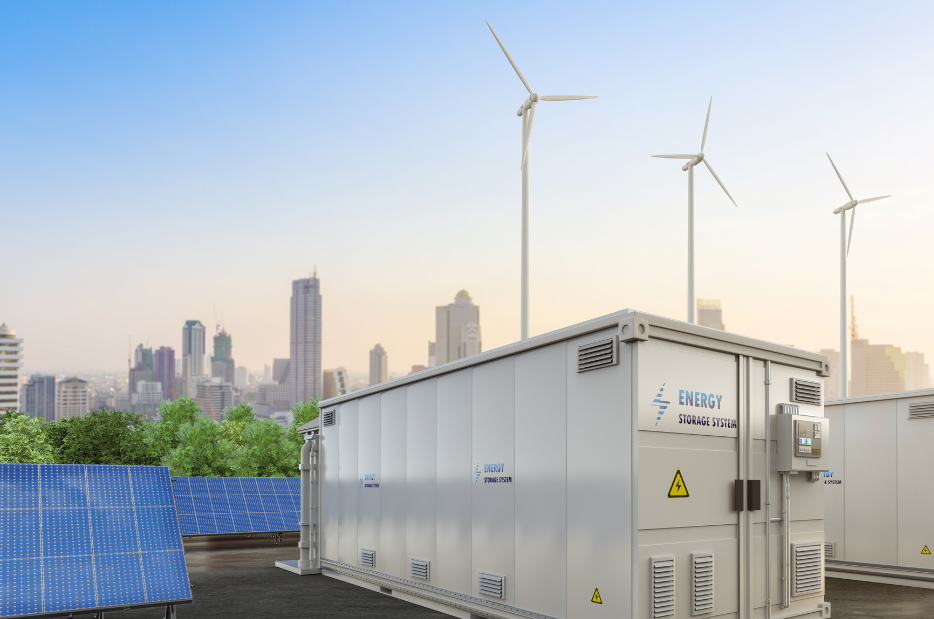
The rapid development of renewable energy sources in Poland, especially photovoltaics, has increasedinterest in energy storage among both entrepreneurs and prosumers. By enabling the storage of surplus electricity, energy systems are now becoming an increasingly important element of the country’s energy transition.
Does energy storage require a license?
Under the current Energy Law Act, operating an electricity storage facility does not generallyrequire a license, provided that the facility is not used for trading in electricity. In particular, storage installations with a total installed capacity exceeding 10 MW may operate without a permit if the stored electricity is used solely for the owner’s own needs. In such cases, the only formal requirement is registration in the electricity system register maintained by the relevant electricity operator. At the same time, storage facilities with a total capacity not exceeding 50 kW are exempt even from the registration obligation. This means that neither registration nor a license is required for small-scale in installations.
However, if the owner of an energy storage facility conducts business activity involving electricity trading, they must comply with the requirements of the Energy Law Act, including VAT (Value Added Tax) settlement on electricity sales.
Energy storage and prosumer status
For prosumers using photovoltaic installations, energy storage system have become a natural extension of renewable energy setup. By storing surplus of self-generated electricity for later use and reduce the amount of energy fed back into the grid.
This is particularly important under the new net-billing system, in which settlements are based on the value rather than the quantity of electricity supplied to the investment. In practise, energy storage can significantly improve the profitability of photovoltaic investment, as electricity consumed directly from storage helps avoid additional transmission fees and tax-related costs.
Business potential and legal challenges
Energy storage systems create new business opportunities, including improving energy supply stability and providingflexibility services to the power grid. Emerging models such as community or shared energy storage are also gaining interest, although they are not yet clearly legally regulated.
At the same time, the regulatory and tax framework remains uncertain. In particular, there is a lack of clear guidance on VAT settlements, depreciation rules and the classification of energy storage systems as fixed assets within a company.
Summary
Energy storage in Poland is becoming increasingly accessible and generally does not require a license, provided that the total installed capacity does not exceed 10 MW and the system is used exclusively for own consumption. At the same time, the rising importance of storage solutionsin the national power system indicates that regulations – especially in the area of taxation and settlements mechanisms– still need further clarification. With the dynamic development of the renewable energy market, it is be expected that the legal framework will increasingly evolve to better support investments in energy storage for both individual users and for industrial entities.
